Shaping the Future of Urban Living: How FINEP Used DESVIX and VR to Bring Nový Opatov to Life
In the heart of Prague’s southern district, near the Opatov metro station, a transformative urban development is taking shape. Nový Opatov, led by real estate developer FINEP, is not just another residential project—it is a bold attempt to reimagine urban living through the fusion of architecture, technology, and public engagement.
At the core of this transformation lies a unique collaboration with DESVIX, a platform developed to bring virtual reality (VR) into the hands of architects, developers, and the public. Through this partnership, Nový Opatov has become a benchmark for how innovative visualization technologies can radically improve how cities are designed, communicated, and experienced—even before the first foundation is laid.
A New Vision for a Forgotten Urban Space
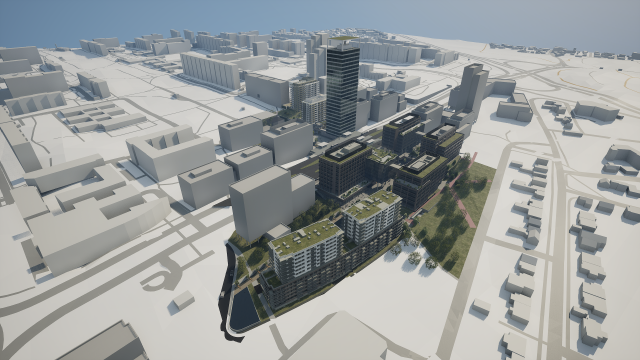
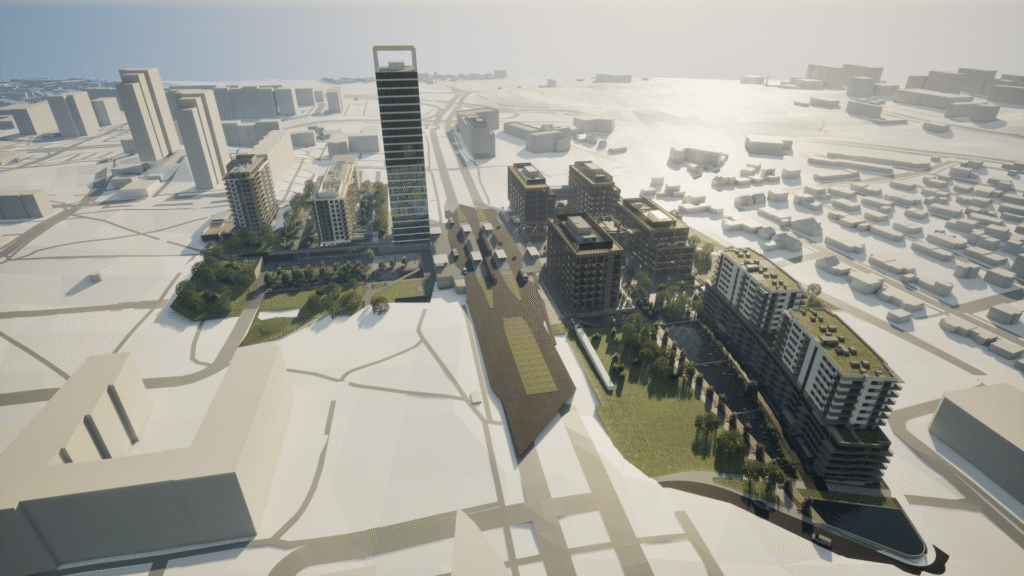
Nový Opatov is being developed on a large brownfield site of nearly 68,000 m²—a space that for years had lacked identity and purpose despite its prime location next to a key transit hub. FINEP’s ambition for the area is comprehensive: a mixed-use district that includes 414 apartments, office buildings, shops, and vibrant public infrastructure such as a new square, underground parking, parks, and a direct pedestrian link to the metro. The entire project is being rolled out in four stages with an expected completion in 2026.
But how does one communicate the scale, intention, and human character of such a development? Renderings and static maps are no longer enough—especially for a public increasingly used to dynamic digital experiences.
Enter DESVIX: Turning Design Into Immersion
To bridge this gap, FINEP turned to DESVIX, a next-generation collaborative platform for immersive design and experience. Originally born from the mission of Wearrecho, DESVIX is built on the idea that architecture and urban planning should not only be seen, but truly felt. Using virtual reality, DESVIX enables developers to create explorable environments that mirror real-world conditions—allowing all stakeholders to step into a future that hasn’t yet been built.
For Nový Opatov, DESVIX developed a full interactive 3D model of the district, making it accessible through web-based VR integration. This model was not hidden behind proprietary apps or specialist tools—it was embedded directly into public portals like Mapy.cz, allowing anyone to virtually walk through the planned neighborhood as if they were physically there.
Transforming Communication, Sales, and Planning
The impact of this digital twin was immediate. Potential buyers, city officials, and local residents could explore future streets, building facades, and public spaces, gaining a visceral sense of scale, light, and movement. This was more than just a design showcase; it was a powerful communication tool that replaced guesswork with clarity.
During early public consultations, the immersive model helped clarify concerns, reduce misunderstandings, and generate valuable feedback. It also significantly boosted public engagement—outpacing traditional outreach efforts like info booths or printed materials. Importantly for FINEP, the VR environment supported pre-sales marketing, allowing the company to present not just what the buildings would look like, but how the area would feel to live in.
Beyond the public-facing benefits, DESVIX also proved useful behind the scenes. Its flexibility allowed architects and planners to simulate different scenarios, assess pedestrian flow, refine traffic connections, and optimize the use of green spaces—all with a degree of immediacy and feedback that traditional CAD workflows could not provide.
Setting a New Standard for Czech Urbanism
The success of the Nový Opatov VR rollout underscores a broader trend in real estate and urban development: the shift from passive visualization to active experience. By adopting DESVIX, FINEP positioned itself at the forefront of digital transformation in the built environment. The project serves as a national case study in how immersive technologies can unlock better decision-making, build trust with communities, and ultimately lead to more human-centric urban design.
What makes the DESVIX approach particularly powerful is its accessibility. Unlike custom-made visualizations tied to specific developer websites or physical VR installations, DESVIX embeds directly into widely used platforms. This democratizes access, removes barriers to participation, and ensures that digital tools serve not only professionals, but the public at large.
Looking Ahead
As Nový Opatov moves toward completion, the role of VR will only grow. Future phases of the project may include dynamic simulations of community life, augmented reality overlays on-site, or even participatory design workshops where citizens can propose micro-adjustments in public space configuration.
What is clear already is that the intersection of virtual technology and physical development is not a passing trend—it is a new paradigm. Thanks to FINEP’s vision and DESVIX’s platform, Nový Opatov is not just being built differently. It’s being imagined differently—from the ground up.